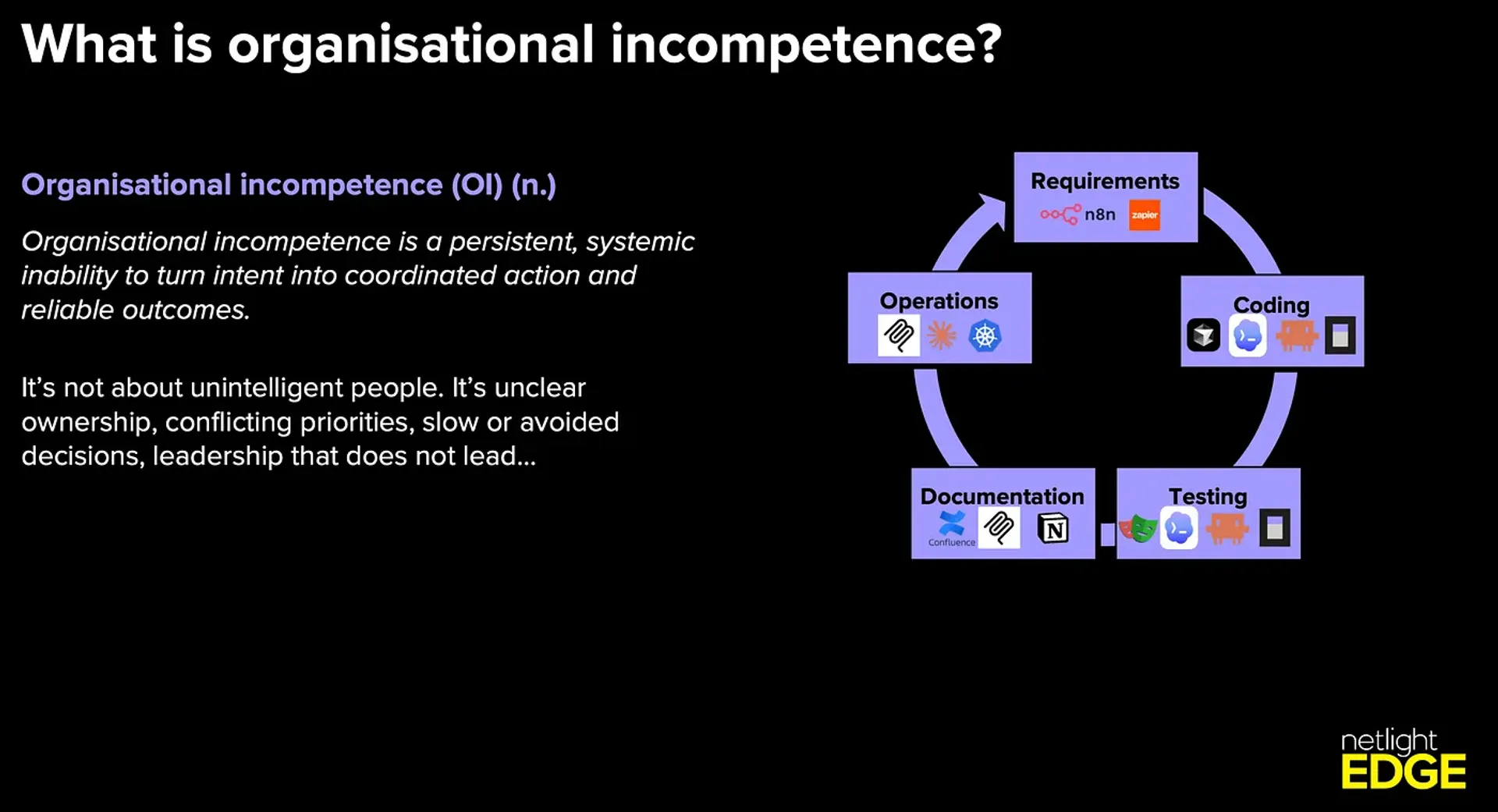
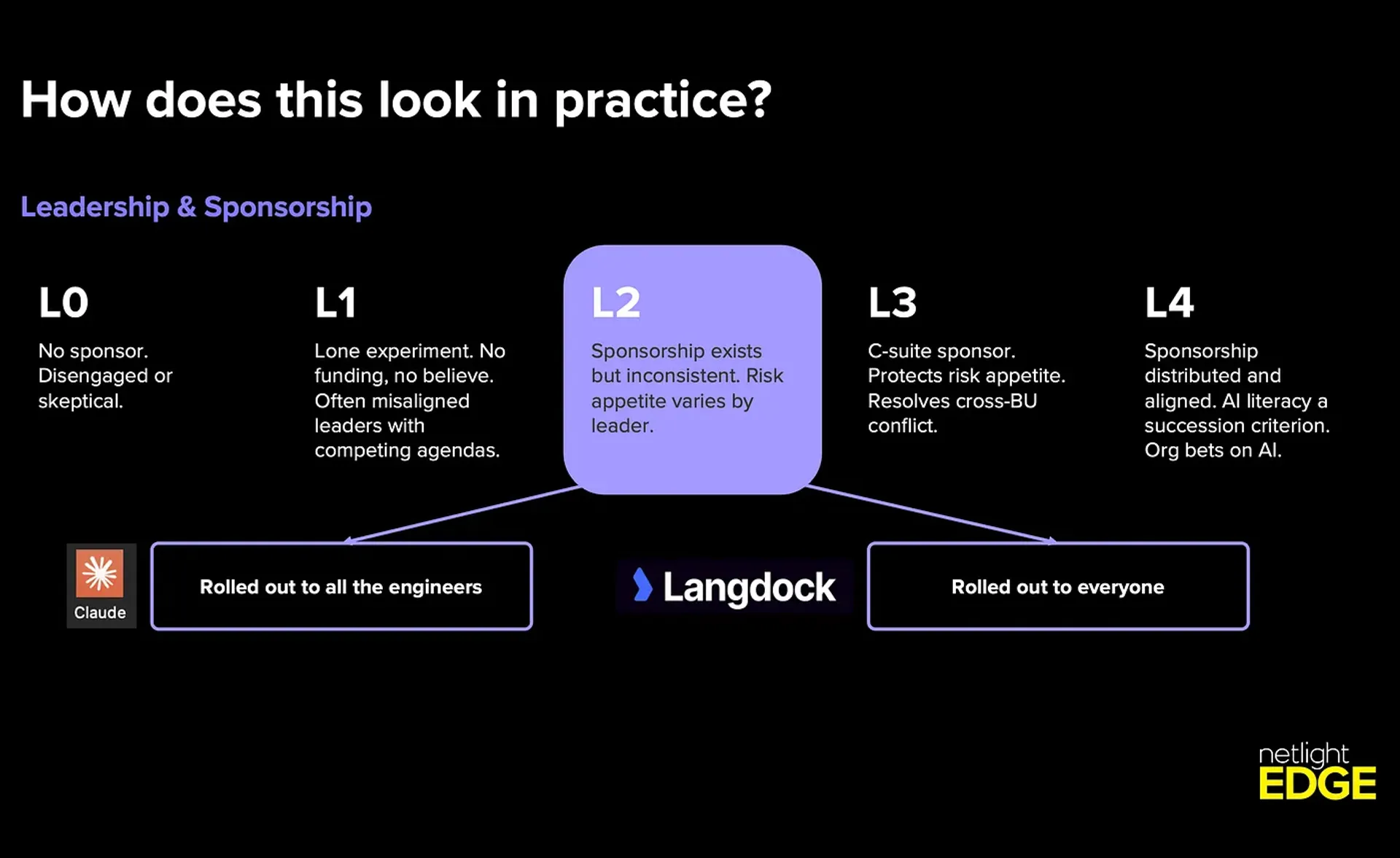
They had already bought 2 tools: Claude Code for the engineers, and Langdock for the broader organisation. The question was: what now?
Phase 1: stepping on the ice.
The assumption was that people would figure it out alongside their regular work. Some did. AI champions slowly surfaced: curious people who had been using tools in their own time and were willing to lead informal onboarding. Workshops started. Everyone got a basic Claude introduction.
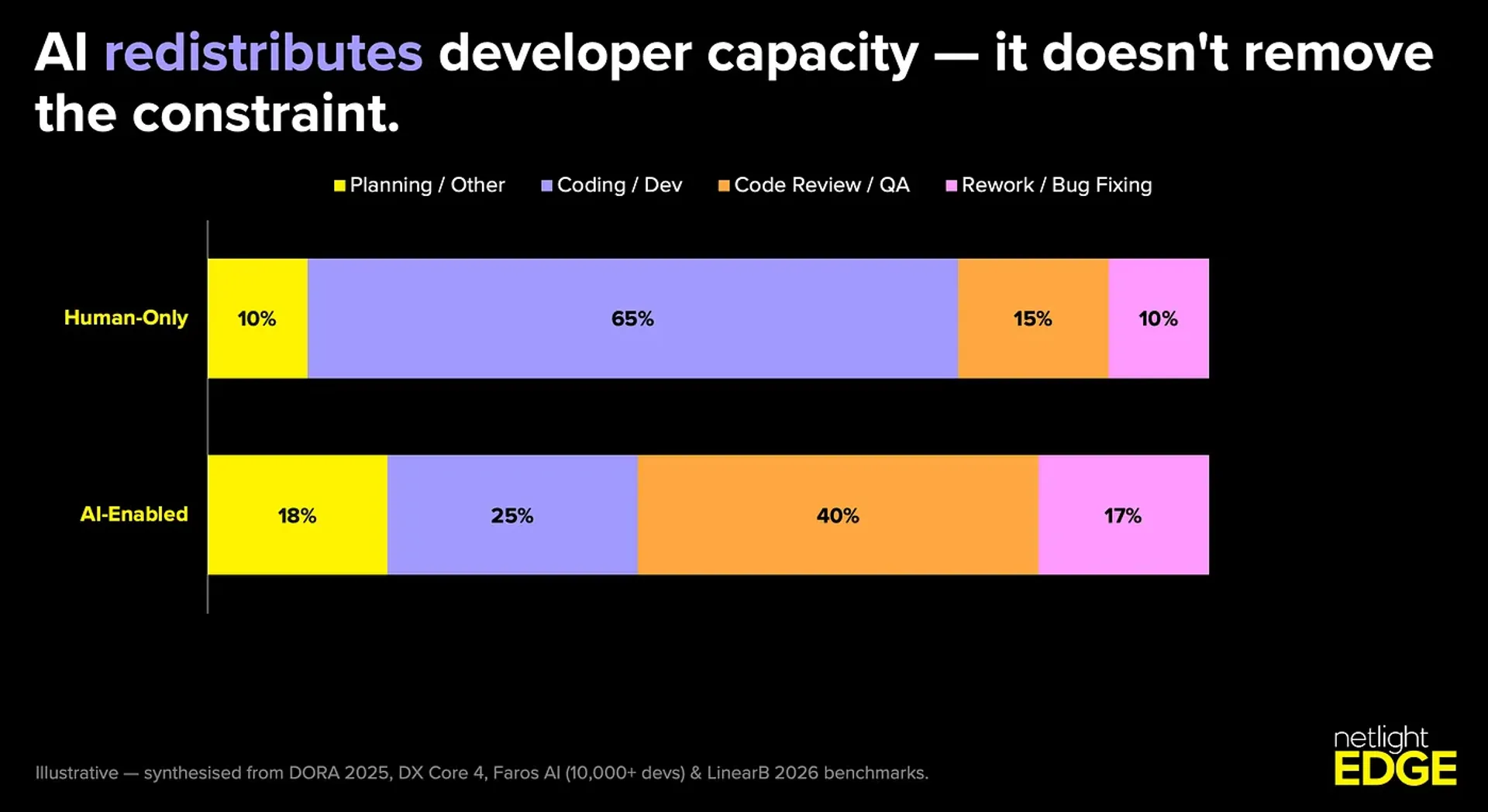
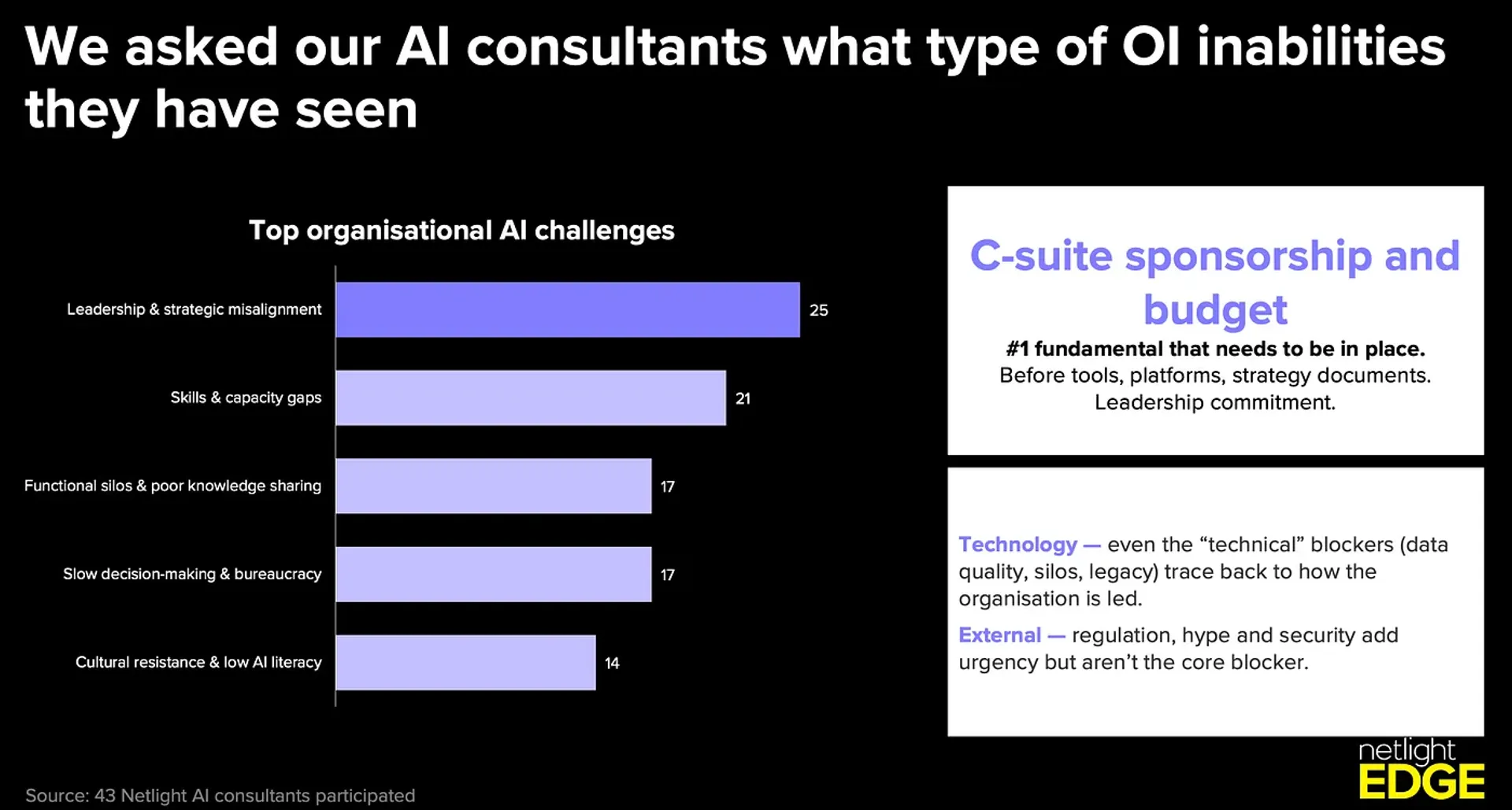
And then reality set in. Some people got genuinely fast. Others were afraid of losing their jobs. And some were frustrated: engineers producing more code than their colleagues could review, because review had not been reimagined alongside coding. The ice rink problem, live.
Phase 2: getting skates and learning to use them.
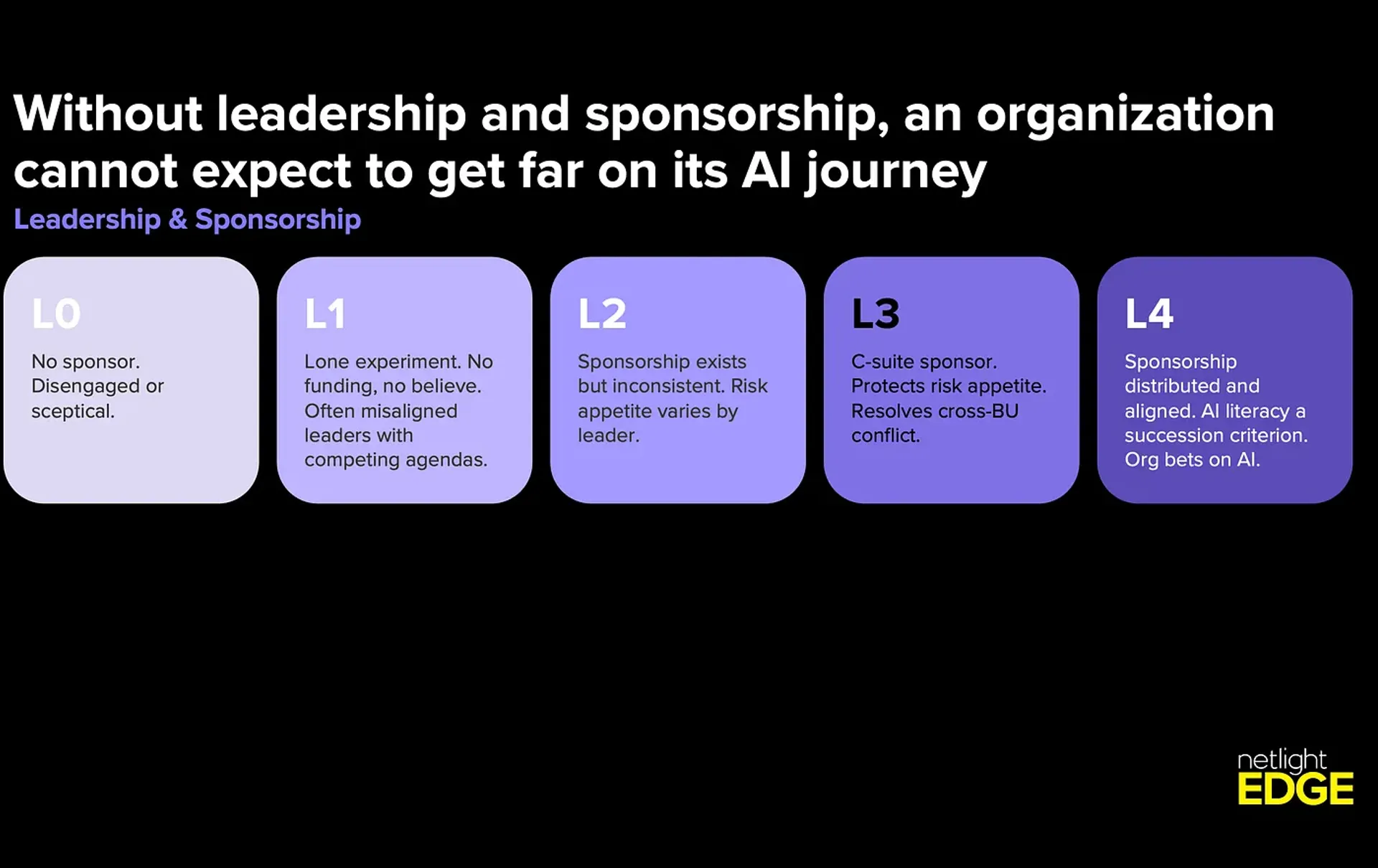
Leadership made a decision. A real one. They accepted that there would be a delivery dip. They mandated AI exploration tickets: time explicitly protected for developing AI literacy during working hours. They communicated a company-wide picture and kept working on it even when it felt uncertain.
Critically, leaders had to walk the talk. Not just say “use AI.” Actually use it themselves. The head of engineering became one of the highest AI users in the organisation. Leaders who had been far from operational work found that AI brought them back into it. That change in leadership behaviour was unexpected and powerful.
Phase 3: sharpening the skates.
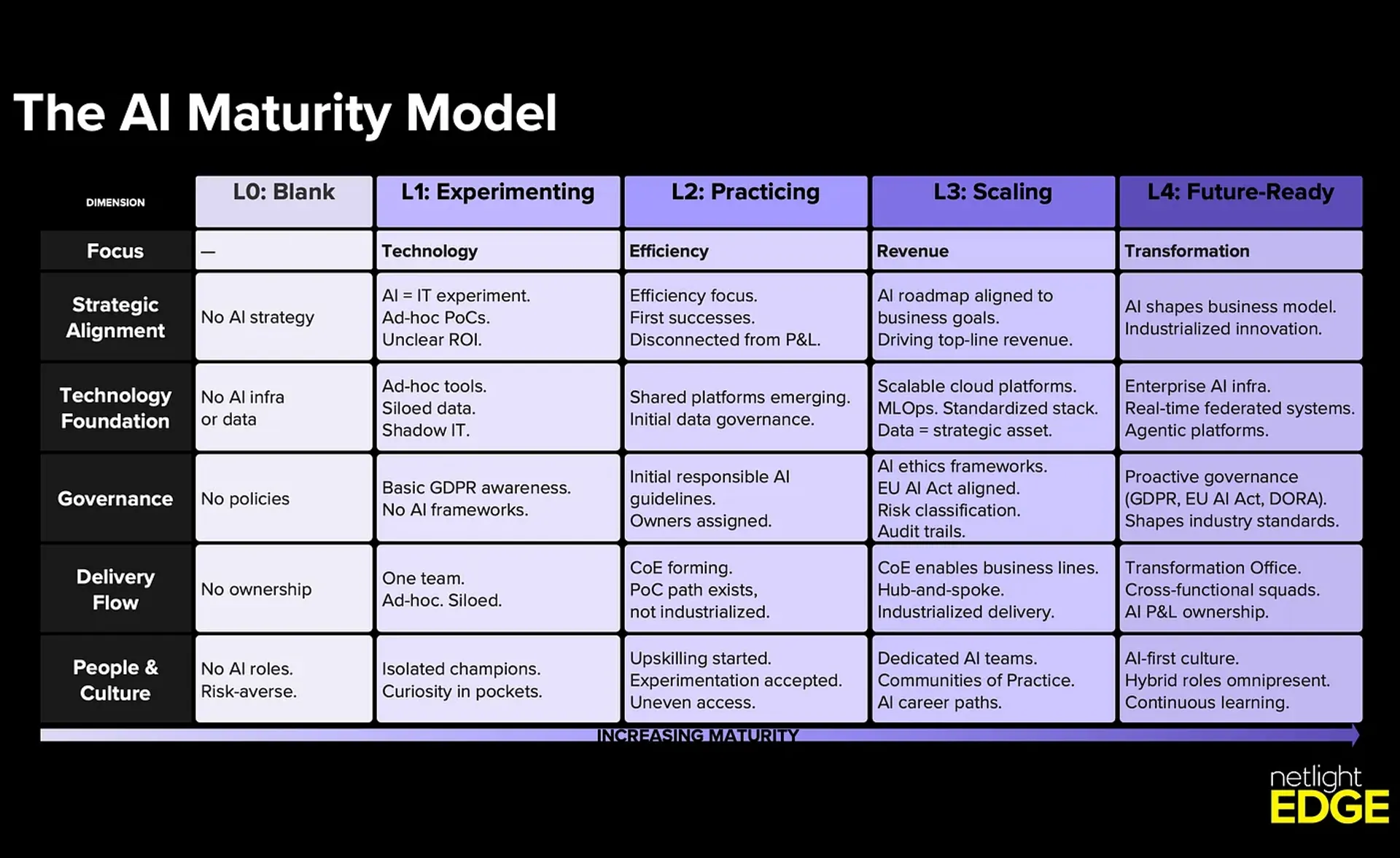
With the foundation in place, the organisation made structural changes. They got rid of Scrum for some teams. Removed sprints and refinement cycles where AI could handle the scaffolding instead of humans. They built what they called CompanyOS: a central, machine-readable knowledge hub containing everything about the products, teams and processes. A shared organisational brain that agents could actually use.
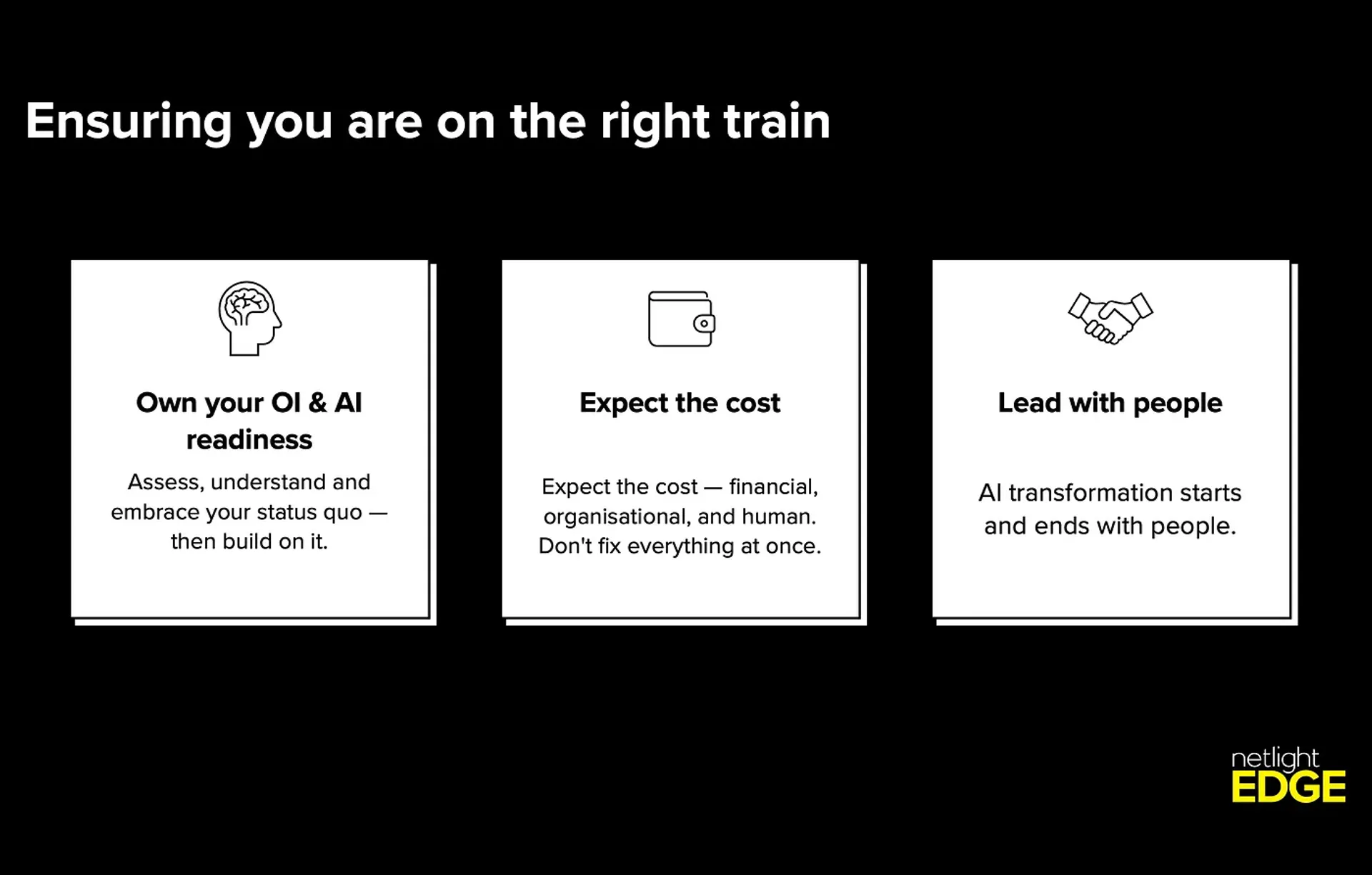
The journey from phase 1 to phase 3 took months of deliberate sequencing. The operating model change only worked because the people and leadership foundations came first.